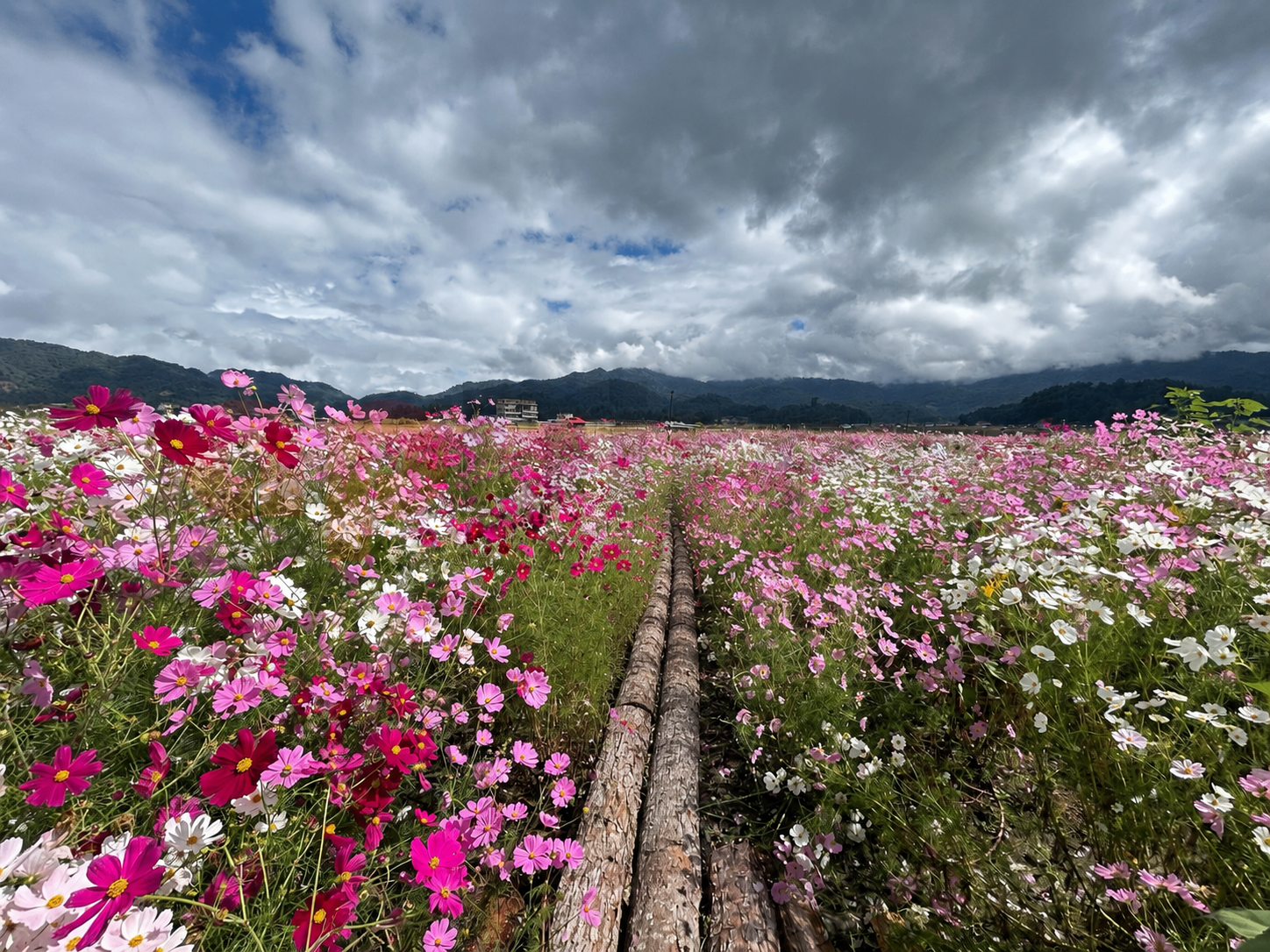
Ziro, known for its breathtaking landscapes and rich cultural heritage, has also become a popular destination for its vibrant flower gardens. These gardens attract tourists from different parts of the country and contribute significantly to the local economy.
The maintenance and investment required for these flower gardens are estimated to be around ₹70,000. Garden owners hire workers for cleaning, planting, and developmental activities. Machines are also used to maintain the gardens efficiently. However, the high cost of maintenance remains a major challenge for many owners.
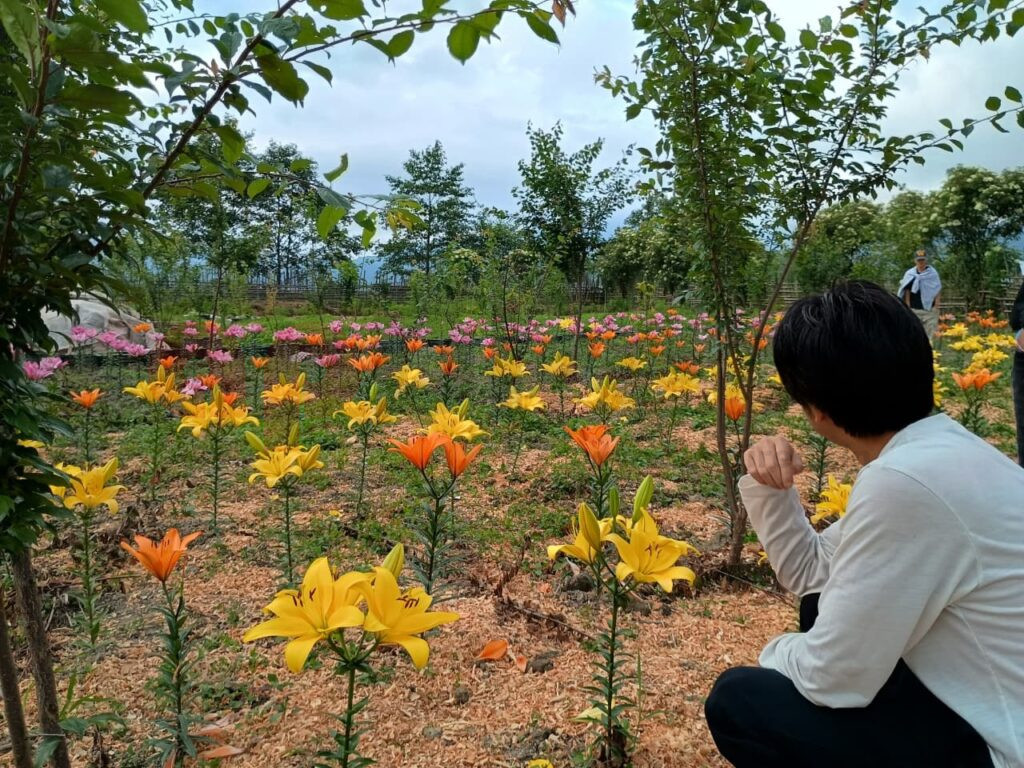
The initiative to develop flower gardens in Ziro was inspired by the need to promote tourism and create additional sources of income for local communities. Many garden owners begin planning and preparing their gardens from March, ensuring that different varieties of flowers bloom throughout the tourist season, which extends until September.
Some of the popular flowers cultivated in these gardens include Lillies, Cosmos (Cosmos), Neha Apu (Drumstick Primrose). These flowers add colour and beauty to the landscape, making Ziro an attractive destination for visitors.
The government has also extended support to local communities by assisting in the development of infrastructure and promoting tourism-related activities. Despite this support, regular cleaning and maintenance require considerable financial investment, making it difficult for some owners to sustain their gardens.
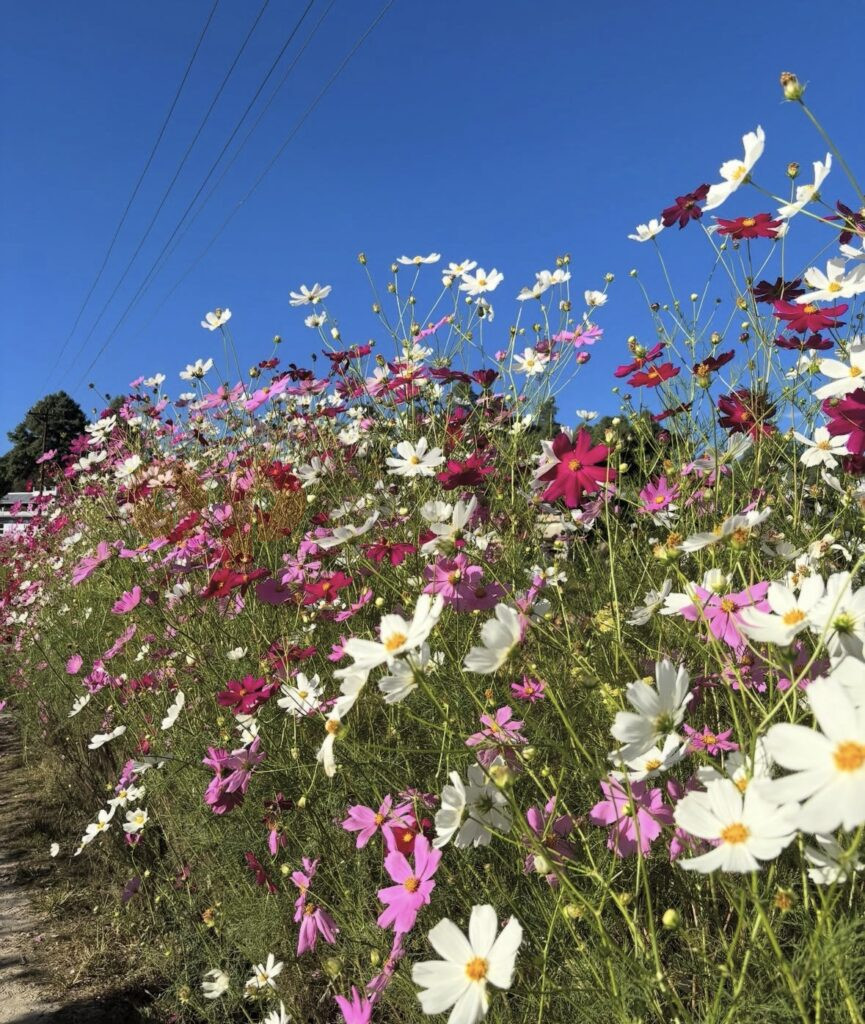
The primary source of revenue comes from tourists and visitors from outside the region. Entrance fees and tourism-related activities help generate income for garden owners and nearby businesses. According to local observations, cosmos flowers attract more visitors and generate higher revenue, while lilium flowers contribute comparatively less income.
The flower gardens of Ziro not only enhance the natural beauty of the valley but also provide employment opportunities and strengthen the local economy. With proper planning, community participation, and continued support, flower tourism in Ziro has the potential to grow further and benefit future generations.