
Ziro, with its breathtaking landscapes and rich cultural heritage, is one of the most popular tourist destinations in Arunachal Pradesh. However, a growing concern is the increasing garbage problem, especially in areas like SSB Gate, Pare Ami, and Circuit House. The accumulation of waste not only tarnishes the town’s natural beauty but also poses environmental and health risks. While a significant part of the responsibility falls on the public and tourists who litter irresponsibly, the concerned departments must also step up their efforts to ensure a more effective waste management system.
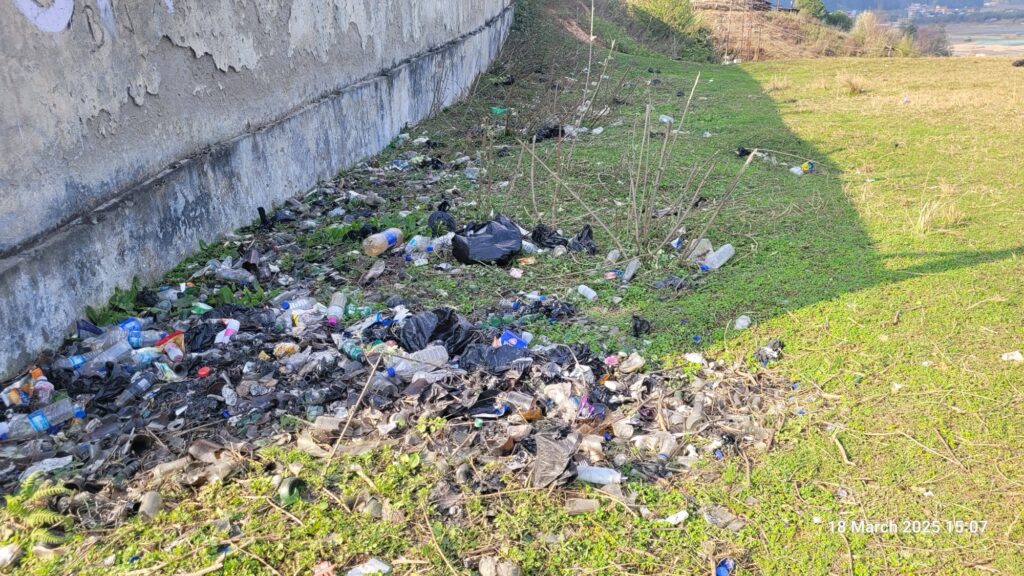
The presence of plastic waste, food wrappers, and other discarded materials in prominent locations highlights the need for better awareness and stricter enforcement of cleanliness regulations. Tourists, who visit Ziro to enjoy its serene environment, often fail to dispose of their waste properly. Some may argue that there are not enough dustbins, but responsible tourism also means carrying personal trash until a proper disposal facility is available. However, the lack of easily accessible waste disposal points does make it more challenging, showing the need for better planning by the authorities.
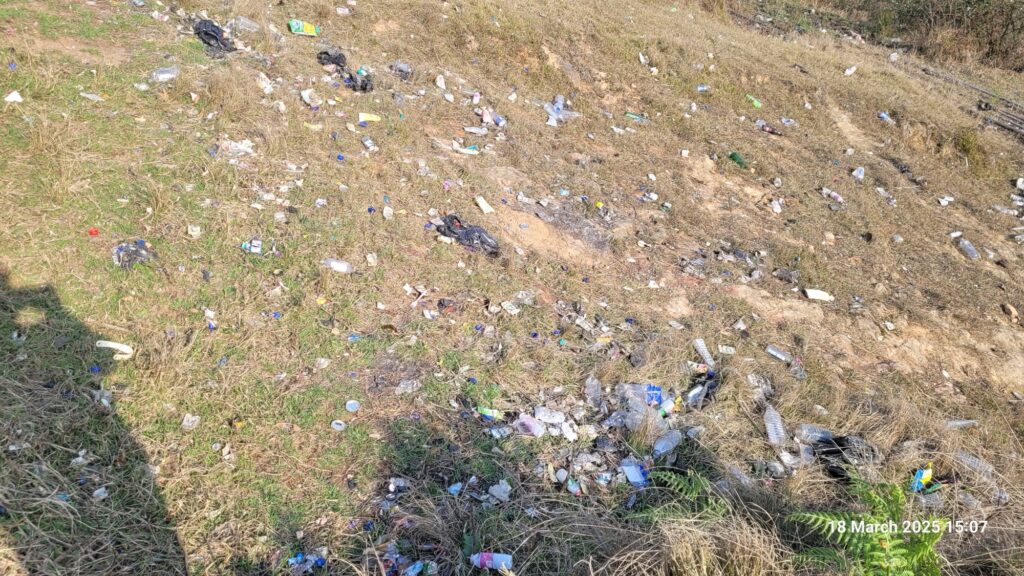
At the same time, local residents also contribute to the problem, either due to convenience or a lack of awareness. The sight of litter piling up in certain areas often leads to a cycle where more people feel less inclined to dispose of waste properly. While public responsibility is crucial, the concerned municipal or civic bodies must also ensure regular garbage collection, proper placement of dustbins in key areas, and stricter enforcement of cleanliness norms.
The situation calls for a collective effort. Tourists must practice responsible tourism, locals should take ownership of their surroundings, and the authorities must strengthen waste management strategies. Installing more dustbins, conducting regular clean-up drives, and enforcing stricter penalties for littering can make a significant difference. By working together, Ziro can preserve its charm and continue to be a model destination for eco-friendly tourism.